
Dental pain rarely appears at a convenient time. A sudden toothache late at night, a chipped tooth during a meal, or swelling in the gums can quickly turn into a stressful situation. Many people are unsure whether their situation requires urgent dental care or if it can wait until a regular appointment.
Understanding what qualifies as a dental emergency helps you make the right decision when symptoms appear suddenly. Dental emergencies can involve severe tooth pain, infections, dental trauma, or damage to teeth that requires prompt professional care. Ignoring these warning signs may lead to worsening pain, infection, or even tooth loss.
Residents in and around Algonquin, Illinois, including Crystal Lake, Lake in the Hills, Huntley, and Carpentersville often search for answers about emergency dental care when symptoms become difficult to manage. Knowing when to seek help from an emergency dentist can protect your oral health and prevent long-term complications.
This guide explains the most common dental emergencies, what symptoms require immediate attention, and what steps to take before visiting an emergency dentist.
What Is Considered a Dental Emergency?
A dental emergency is a situation involving severe tooth pain, oral infection, uncontrolled bleeding, or trauma to the teeth or gums that requires immediate dental care. Common examples include a knocked-out tooth, a dental abscess, a cracked or broken tooth, swelling in the jaw, or a lost crown causing intense pain. Seeking urgent dental treatment quickly can prevent infection from spreading and may help save the affected tooth.
Some dental issues may feel uncomfortable but are not emergencies. However, symptoms such as intense pain, swelling, pus around the gums, bleeding that does not stop, or a knocked-out tooth usually require immediate dental evaluation.
When Should You See an Emergency Dentist?
People often search questions like “Do I need an emergency dentist?” or “How long can a dental emergency wait?” The answer depends on the symptoms you are experiencing.
If pain becomes severe enough to interfere with eating, sleeping, or speaking, it is often a sign that urgent dental care is necessary. Swelling in the jaw or face may indicate a bacterial infection that needs prompt treatment. Infections in the mouth can spread if left untreated, which is why emergency dental care is important in certain situations.
Patients across the Chicago suburbs frequently look for an emergency dentist near Algonquin, Illinois when symptoms worsen quickly. Early treatment not only relieves pain but also helps prevent more complex dental procedures later.
The Top 10 Dental Emergencies That Require Immediate Dental Care
Dental emergencies can occur unexpectedly and may involve pain, injury, or infection affecting the teeth and surrounding tissues. Understanding the most common dental emergencies helps patients recognize when immediate dental attention is necessary.
1. Severe Toothache That Does Not Go Away
Why intense tooth pain can signal a dental emergency?
Persistent tooth pain is one of the most common reasons people search for an emergency dentist. A severe toothache can be caused by deep tooth decay, infection in the tooth nerve, gum disease, or dental trauma.
When tooth pain becomes constant or throbbing, it may indicate inflammation inside the tooth pulp. This type of pain often worsens when chewing or when exposed to hot or cold temperatures. Swelling around the gums or jaw can also occur if infection develops.
Seeking urgent dental care for severe tooth pain can prevent the infection from spreading deeper into surrounding tissues.

2. Knocked-Out Tooth (Dental Avulsion)
What to do if a tooth gets knocked out
A knocked-out tooth is one of the most time-sensitive dental emergencies. Acting quickly can sometimes save the tooth if treatment occurs within a short window of time.
When a permanent tooth is knocked out due to trauma, it should be handled carefully by the crown rather than the root. Placing the tooth in milk or gently reinserting it into the socket may help preserve it until reaching a dentist.
Immediate evaluation by an emergency dentist greatly increases the chances of saving the tooth.

3. Broken or Cracked Tooth
Can a cracked tooth be treated the same day?
A broken or cracked tooth can expose the inner layers of the tooth, leading to pain and sensitivity. Dental trauma from biting hard foods, sports injuries, or accidents can cause fractures in tooth enamel.
Even small cracks can worsen over time if left untreated. Dentists often recommend prompt treatment to prevent the fracture from spreading deeper into the tooth structure.
Emergency dental care may involve bonding, crowns, or other restorative procedures depending on the severity of the damage.
4. Dental Abscess or Oral Infection
Signs of a dangerous tooth infection
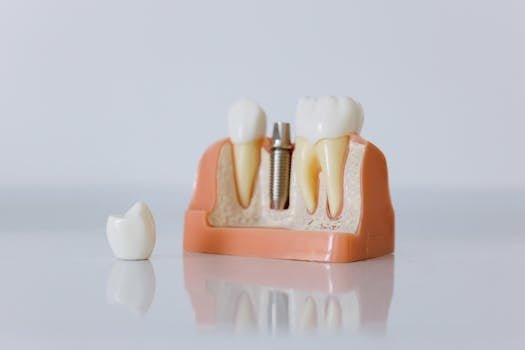
A dental abscess is a bacterial infection that forms near the root of a tooth or in the surrounding gum tissue. It often appears as swelling or a pus-filled pocket in the gums.
Symptoms of an abscess may include intense tooth pain, swelling in the face or jaw, fever, bad taste in the mouth, or difficulty swallowing. Because infections can spread to nearby tissues, abscesses require urgent dental treatment.
Treating the infection early helps prevent more serious health complications.
5. Lost Crown or Filling
Why a lost restoration can become an emergency
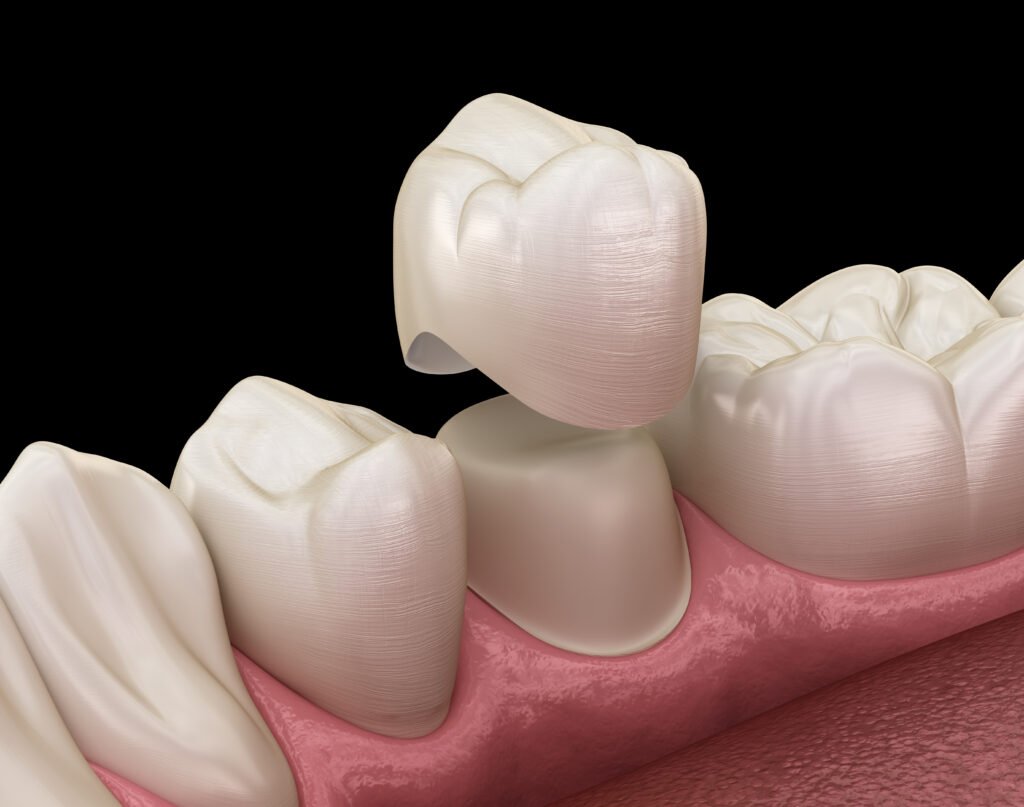
Crowns and fillings protect weakened teeth from damage. When a crown or filling falls out, the exposed tooth structure becomes vulnerable to bacteria and sensitivity.
Patients may experience sharp pain when biting or when the tooth comes into contact with cold or hot foods. Replacing a lost restoration promptly helps protect the remaining tooth structure and prevent further decay.
Emergency dental appointments are often recommended when discomfort becomes severe.
6. Gum Infection or Periodontal Abscess
When gum swelling becomes a dental emergency
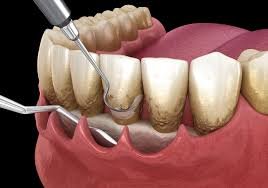
Gum infections can sometimes develop into periodontal abscesses. These infections occur when bacteria accumulate beneath the gumline and create swelling or pus formation.
Symptoms may include gum pain, bleeding, swelling, and persistent bad breath. In advanced cases, the infection may affect the bone supporting the teeth.
Prompt dental treatment can stop the infection from progressing and help preserve gum health.

7. Uncontrolled Bleeding in the Mouth
When oral bleeding requires urgent dental care
Minor gum bleeding during brushing is common, but persistent bleeding after injury or dental trauma can be a sign of a dental emergency.
Bleeding that continues for an extended period may indicate damage to the gums or underlying tissues. Applying gentle pressure may help temporarily, but professional evaluation is often necessary to identify the cause.
An emergency dentist can assess the injury and provide treatment to control bleeding and prevent infection.

8. Swollen Jaw or Facial Swelling
What swelling around the jaw may indicate
Facial swelling is often a sign of infection or inflammation within the mouth. Swelling may develop due to a dental abscess, impacted tooth, or severe gum infection.
When swelling spreads to the jaw, cheeks, or neck, it may affect breathing or swallowing. These symptoms require immediate attention from a dental professional.
Prompt treatment helps control the infection and reduces the risk of further complications.
9. Dental Trauma from Accidents or Sports Injuries
How injuries can damage teeth and gums
Dental trauma can occur during sports activities, falls, or accidents. Injuries may cause teeth to become loose, cracked, or displaced.
In many cases, patients experience pain, bleeding, or swelling following trauma. Early treatment improves the chances of saving damaged teeth and restoring normal function.
Protective equipment such as mouthguards can help reduce the risk of sports-related dental injuries.

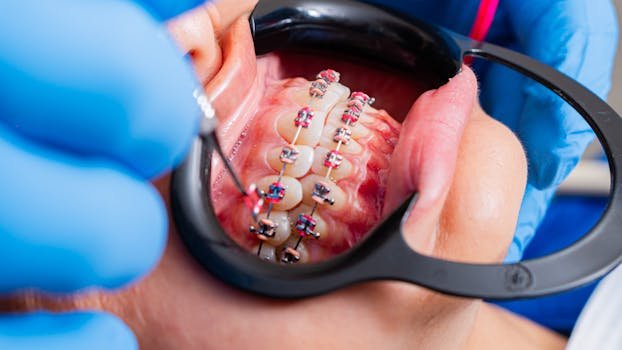
10. Broken Orthodontic Braces or Wires
When orthodontic issues become emergencies
Patients wearing braces occasionally experience broken wires or brackets. When a wire breaks, it may irritate or cut the inside of the mouth.
While some orthodontic problems can wait until the next appointment, sharp wires causing pain or injury may require urgent attention.
Emergency dental care can reposition or repair damaged orthodontic components.
What To Do During a Dental Emergency Before Seeing a Dentist
When a dental emergency occurs, taking the right steps can reduce discomfort and protect the affected tooth until professional treatment is available.
Rinsing the mouth gently with warm salt water may help reduce bacteria and inflammation. Applying a cold compress to the outside of the face can minimize swelling and discomfort. Over-the-counter pain relief medication may also provide temporary relief.
However, home remedies should never replace professional dental care. If pain, swelling, or injury persists, contacting an emergency dentist is the safest course of action.
Should You Go to the Emergency Room for Dental Pain?
Many patients wonder whether severe dental pain requires a visit to the hospital emergency room. In most situations, dentists are better equipped to treat dental emergencies because they can perform procedures such as tooth extractions, root canals, or restorations.
Emergency rooms typically provide temporary relief through medication but may not address the underlying dental problem. However, if symptoms involve severe facial swelling, trauma to the head, or difficulty breathing, immediate medical care may be necessary.
Emergency Dental Care in Algonquin, Illinois
Dental emergencies can occur without warning and often require immediate professional attention. Residents searching for an emergency dentist in Algonquin, Illinois or nearby communities such as Crystal Lake, Huntley, Lake in the Hills, and Carpentersville often need fast solutions for pain relief and infection treatment.
Prompt dental care helps protect oral health, relieve discomfort, and prevent complications that may arise from untreated dental problems. Recognizing the signs of a dental emergency and seeking treatment quickly can make a significant difference in preserving teeth and maintaining overall oral health.
Maintaining good oral hygiene, attending regular dental checkups, and wearing protective mouthguards during sports can help reduce the risk of dental injuries. When unexpected dental problems arise, prompt professional care remains the best way to protect your oral health and maintain a healthy smile.
Get in Touch for Dental Emergencies in Algonqin, IL
Address: 272 S Randall Rd, Algonquin, IL 60102, United States
Phone: 224-428-0028