

What Type of Dentist Is Best for Tooth Extractions?
Tooth pain can quickly shift from mild discomfort to severe, throbbing pain that disrupts your daily life. Whether you’re dealing with a severely decayed tooth, a broken molar, or impacted wisdom teeth, one question usually comes first:
What type of dentist is best for extractions?
The answer depends entirely on how complex the tooth and surrounding structures are. Let’s break it down clearly so you can understand exactly who you need and when.
The best dentist for a tooth extraction depends on the difficulty of the procedure. In most routine cases, a general dentist is fully qualified to perform the extraction safely and comfortably. However, when a tooth is impacted, broken below the gum line, or requires surgical techniques, an oral and maxillofacial surgeon is usually the better choice.
For most patients, the right first step is starting with a general dentist, who can evaluate the situation and determine whether a referral is necessary.
General Dentist – Best for Simple Extractions
A general dentist is trained to diagnose dental problems, treat infections, and remove teeth when needed. In fact, the majority of everyday tooth extractions are performed by general dentists.
Simple extractions are done when the tooth is fully visible above the gum line and can be removed using standard dental instruments without cutting into the gum or bone.
General dentists commonly remove:
- Severely decayed teeth
- Loose teeth caused by gum disease
- Retained baby teeth
- Many emergency infected teeth
- Fully erupted wisdom teeth
If the tooth is accessible, not deeply fractured at the root, and not embedded in bone, a general dentist is often the most convenient and appropriate provider.

Oral & Maxillofacial Surgeon – Best for Surgical Extractions
An oral and maxillofacial surgeon completes several additional years of hospital-based surgical training after dental school. These specialists are trained to manage complex and high-risk cases that go beyond routine extractions.
Surgical extractions are required when a tooth is:
- Impacted beneath the gum or bone
- Broken below the gum line
- Growing sideways
- Positioned close to major nerves
- Associated with medical complications
In these situations, the procedure may involve making a small incision in the gum, removing bone, sectioning the tooth into pieces, and placing sutures afterward. Oral surgeons are also equipped to provide IV sedation and manage medically complex patients safely.
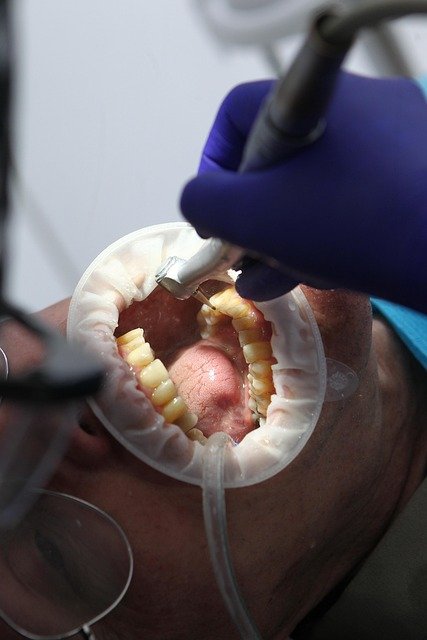
Frequestly Asked Questions About Tooth Extractions
Simple Extraction vs. Surgical Extraction
Understanding the difference between simple and surgical extraction helps clarify who you need.
A simple extraction is performed when the tooth is fully erupted, roots are relatively straight, and no bone removal is required. These procedures are typically completed under local anesthesia in a general dental office.
A surgical extraction is necessary when the tooth is trapped under the gum or bone, fractured below the surface, or has curved or complex roots. Impacted wisdom teeth often fall into this category. Surgical procedures require advanced training and may involve sedation.
Do You Always Need an Oral Surgeon for Wisdom Teeth?
You don’t always need an oral surgeon for wisdom tooth extraction.
If wisdom teeth are fully erupted, straight, and easy to access, a general dentist can often remove them safely.
However, if wisdom teeth are impacted, pressing on neighboring teeth, causing swelling, or located near nerves, an oral surgeon is typically the safest option. The position and complexity of the tooth determine the right provider.
Who Should You See First for Dental Tooth Extraction?
If you are unsure about your case, start with a general dentist.
They will take digital X-rays, evaluate the tooth’s position, review your medical history, and determine whether the extraction is simple or surgical. If the case requires advanced care, they will refer you to an oral surgeon.
This step ensures you receive appropriate treatment without unnecessary specialist visits.
What If You Have Medical Conditions?
Certain medical conditions may make an oral surgeon the better choice. Patients who take blood thinners, have uncontrolled diabetes, heart conditions, compromised immunity, or require IV sedation often benefit from a hospital-trained specialist.
Oral surgeons are trained to manage higher-risk surgical situations and handle complications effectively.
Can a General Dentist Handle Emergency Extractions?
Yes. Most emergency extractions are handled by general dentists.
Severe infections, abscesses, broken painful teeth, and dental trauma are commonly treated in general dental offices. Only when complications arise does a referral become necessary.
What Happens After A Tooth Extraction?
After a tooth is removed, healing usually takes one to two weeks for the gum tissue to close. Full bone healing can take several months.
Your dentist may recommend replacing the missing tooth to prevent bone loss, shifting teeth, bite problems, and facial changes. Common replacement options include dental implants, bridges, or dentures, depending on your oral health and long-term goals.
Differentiation Chart: General Dentist vs. Oral & Maxillofacial Surgeon for Extractions
| Factor | General Dentist | Oral & Maxillofacial Surgeon |
| Type of Extractions | Simple, routine extractions | Complex and surgical extractions |
| Tooth Position | Fully erupted and visible | Impacted, partially erupted, or trapped under bone |
| Wisdom Teeth Removal | Straight, fully erupted wisdom teeth | Impacted, sideways, or nerve-adjacent wisdom teeth |
| Broken Teeth | Broken above the gum line | Broken below the gum line or deep root fractures |
| Bone Removal Required | Not required | Required when necessary |
| Sedation Options | Local anesthesia, sometimes oral sedation | IV sedation and advanced anesthesia |
| Medical Complexity | Healthy patients with minimal risk | Patients with complex medical history |
| Training Level | Dental school training | Additional 4–6 years of surgical training |
| Emergency Cases | Most routine dental emergencies | Severe surgical or medically complicated emergencies |
| Best For | Quick, routine, cost-effective extractions | High-risk, surgical, or anatomically complex cases |
Consulsion: What Type of Dentist Is Best for Extractions?
In simple terms, most extractions are safely performed by a general dentist.
If the tooth is visible, accessible, and not impacted, a general dentist is usually the right choice. If the tooth is trapped under bone, growing sideways, fractured below the gum line, or associated with complex medical conditions, an oral and maxillofacial surgeon is the better option.
The key is determining how complex your specific case is. A professional evaluation ensures you receive the safest and most appropriate care.
Dental Eclipse in Algonquin, IL provides safe and painless tooth extractions and oral surgery for complex teeth extraction cases tailored to each patient’s clinical needs.
Get in Touch for Tooth Extractions in Algonquin, IL
Address: 272 S Randall Rd, Algonquin, IL 60102, United States
Phone: 224-428-0028