
Can a Dentist Pull a Rotten or Broken Tooth? Complete Tooth Extraction Guide
Yes, a tooth extraction (rotten tooth & broken tooth removal) is a safe dental procedure, and a dentist can remove a damaged tooth when it cannot be repaired. In most cases, dentists first try to save the tooth, but when decay, fracture, or infection becomes severe, extraction is the best option to protect your oral health and stop the problem from spreading.
What Is a Rotten Tooth and Broken Tooth?
Rotten Tooth
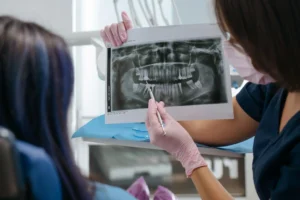
A rotten tooth is a tooth that has been damaged by bacteria over time. It usually starts with a small cavity and slowly becomes worse if not treated. The decay moves from the outer layer of the tooth to the inner nerve, causing pain, sensitivity, and sometimes infection. In advanced cases, swelling or an abscess can develop, and the tooth may no longer be saveable.
Broken Tooth
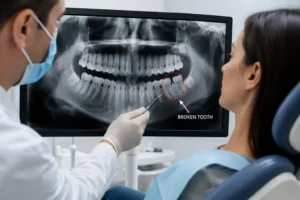
A broken tooth is a tooth that has cracked, chipped, or fractured due to injury or weakness. This can happen from accidents, biting something hard, or long-term grinding. Sometimes the damage goes below the gum line, making it difficult to repair and increasing the risk of infection or further damage.
Common Causes of Rotten or Broken Teeth.
A rotten tooth and broken tooth condition usually develops due to poor habits or sudden damage. Poor brushing allows plaque to build up, which leads to decay. High sugar intake feeds bacteria and speeds up enamel damage. Untreated cavities grow deeper over time and reach the nerve of the tooth. Physical injuries like falls or sports accidents can break teeth instantly. Teeth grinding slowly weakens enamel and creates cracks. Ageing also reduces tooth strength, making teeth more prone to damage.
Treatment Options Before Tooth Extraction
Before suggesting removal, dentists focus on saving the natural tooth whenever possible.
Fillings for Early Decay: When decay is mild and limited to the outer layer, the damaged portion is removed and filled to restore function.
Dental Crowns for Weak Teeth: If the tooth structure is weakened but still stable, a crown is used to protect and strengthen it.
Root Canal Treatment for Infection: When infection reaches the inner nerve, root canal treatment is performed to clean the infection and save the tooth.
How Does a Dentist Decide on Tooth Extraction?
Examination and Diagnosis First.
The dentist first checks the tooth using X-rays and a clinical exam. This helps understand how deep the decay or fracture is and whether the tooth can still be saved.
When Tooth Can Be Saved.
If possible, the dentist may recommend treatments like fillings, crowns, or root canal therapy to restore the tooth instead of removing it.
When Extraction Becomes Necessary.
Extraction is recommended when the tooth is too damaged, broken below the gum line, or when infection has spread and cannot be controlled with treatment.
Tooth Extraction Process for Rotten and Broken Teeth.
A tooth extraction is done carefully to ensure comfort and safety. First, the area is numbed with local anaesthesia so the patient does not feel pain. For a simple case, the dentist gently loosens and removes the tooth. For a complex case, especially a deeply broken or infected tooth, a surgical extraction may be needed, where the tooth is removed in parts. After removal, the area is cleaned properly, and stitches may be placed if required to support healing.
Healing & Recovery Process After Tooth Extraction.
After a tooth is removed, proper care is important for fast healing. Patients are advised to bite gently on gauze to stop bleeding and help form a clot. Soft foods are recommended for a few days to avoid pressure on the area. Smoking, alcohol, and straws should be avoided because they can disturb healing. Gentle brushing is allowed, but the extraction site should not be disturbed. Medicines given by the dentist should be taken as prescribed. Most people start feeling better within a few days, while complete healing takes a few weeks.
Common Concerns After Tooth Extraction
Pain and Healing Concerns: Many patients worry about pain, but the procedure itself is not painful because of anaesthesia. Mild discomfort after treatment is normal and manageable with medication.
Eating and Daily Life: Patients can return to their normal routine quickly, but soft foods are recommended in the initial healing phase.
Tooth Replacement Options: If a tooth is removed, it can be replaced later with dental implants, bridges, or dentures to restore chewing and appearance.
If you are experiencing pain, swelling, or a damaged tooth, do not wait for it to get worse. Book a dental consultation today to get the right diagnosis and treatment. Early care can save you from complications and help you restore a healthy, pain-free smile.